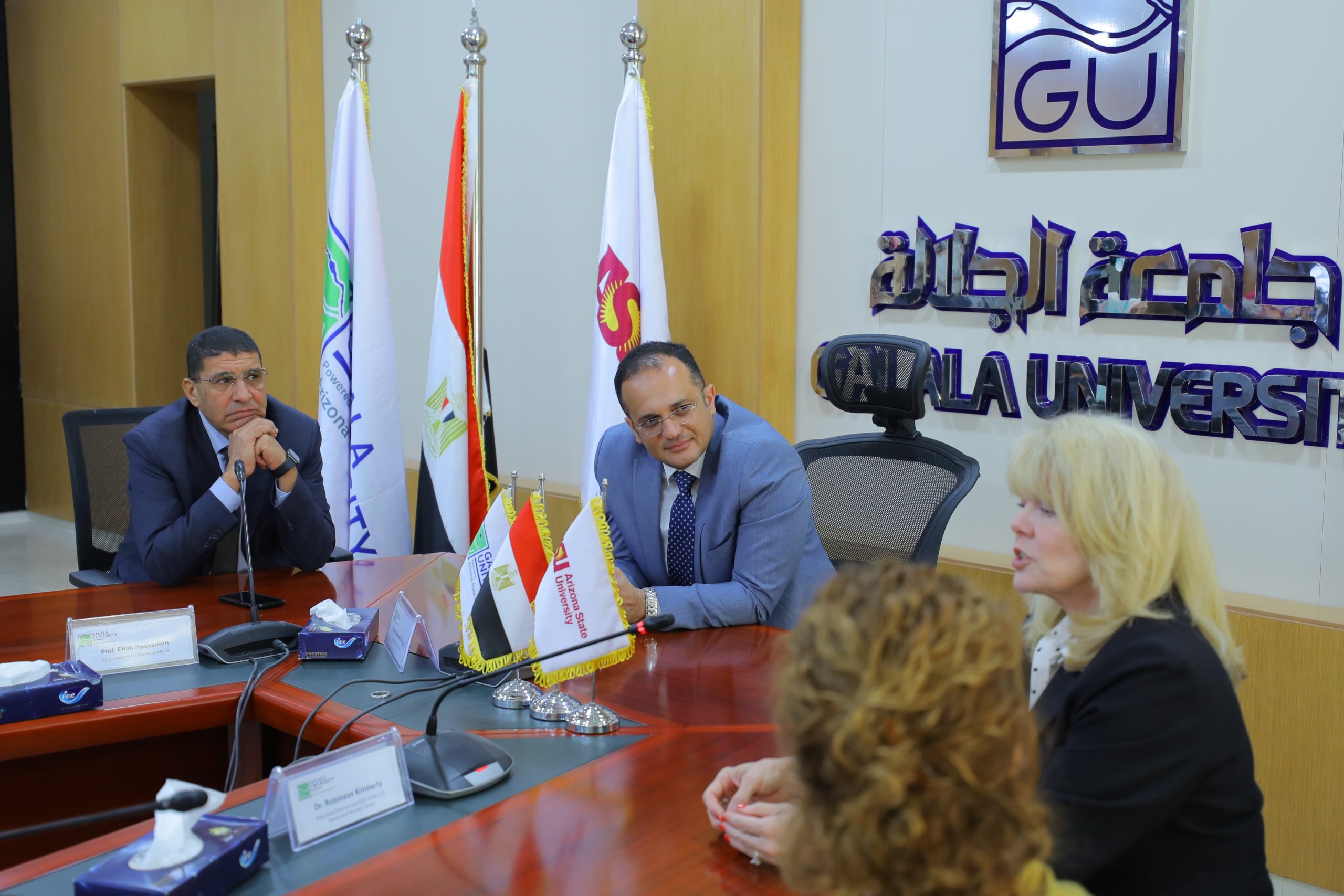
Visit of U.S. Space CEO to Galala University
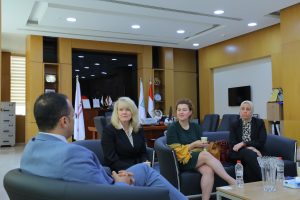
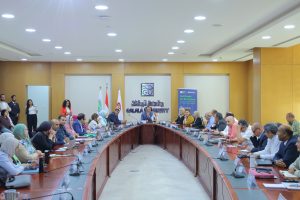
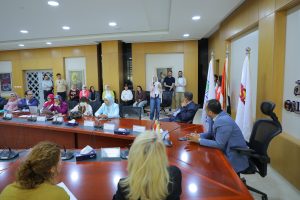
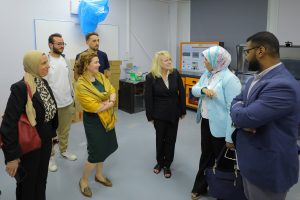
Galala University hosted a virtual briefing with Dr. Kimberly, CEO of U.S. Space, to explore new avenues of collaboration in space technology, research, and training. Held via Microsoft Teams, the session connected faculty, researchers, and students from engineering and computing disciplines with a U.S. industry leader focused on advancing space-enabled solutions across Africa.
Opening remarks framed the discussion around practical outcomes: skill-building for students, research pathways for faculty, and partnerships that translate emerging technologies into real impact. Dr. Kimberly highlighted the rapid growth of the “new space” economy—small satellites, Earth observation, GNSS applications, and downstream analytics—and how universities can plug into this ecosystem through capstone projects, internships, and joint development pilots.
The conversation moved quickly into cooperation tracks aligned to GU’s strengths:
-
Education & Talent Pipelines: guest lectures, short courses on mission design and data processing, and mentorship for senior projects (e.g., CubeSat subsystems, ground-station basics, and payload integration).
-
Applied Research: joint proposals on remote sensing for agriculture and coastal monitoring, space-based IoT for infrastructure, and AI models for image classification and change detection.
-
Innovation & Infrastructure: guidance on lab readiness (antenna/ground segment planning, small-sat integration benches), software toolchains for simulation, and safe data-sharing frameworks for multidisciplinary teams.
-
Entrepreneurship: support for student innovation challenges and micro-grants to move prototypes toward proof-of-concept, with an emphasis on local market needs in Egypt and the wider African context.
Faculty leads outlined GU’s current project portfolio and interests—from autonomous systems and embedded electronics to geospatial analytics—while students asked pointed questions about industry credentials, internship expectations, and pathways to publishable outcomes. Dr. Kimberly emphasized practical skill stacks: systems thinking, Python for data pipelines, fundamentals of RF and communications, and responsible AI for remote sensing.
Both sides agreed to develop a concise action memo: (1) a calendar of guest sessions for the coming term; (2) a shortlist of joint research topics tied to regional challenges (water management, urban growth, environmental monitoring); (3) internship and mentorship slots for top-performing students; and (4) an exchange of technical checklists to guide lab upgrades and standardized workflows. A follow-up coordination call will consolidate points of contact, deliverables, and timelines.
By bridging industry expertise with academic ambition, the meeting advances sdg4 (Quality Education) through new learning pathways and mentorship; sdg9 (Industry, Innovation, and Infrastructure) via technology transfer and lab development; and sdg17 (Partnerships for the Goals) by formalizing cross-border cooperation that benefits students, faculty, and the wider community.