Global Medical Laboratory Professionals Week – Faculty of Applied Health Sciences
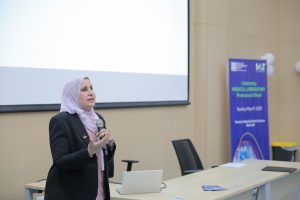
Galala University’s Faculty of Applied Health Sciences marked Global Medical Laboratory Professionals Week with a program that blended learning, service, and outreach—showcasing the people and processes behind accurate diagnostics. The day combined a scientific seminar led by external experts, free medical checkups and selected laboratory tests for university staff, and awareness activities designed to help students and visitors understand how quality laboratory practice protects community health.
The scientific seminar opened with a clear message: reliable results start with disciplined systems. Sessions walked participants through the full testing pathway—patient preparation and sample collection, transport and accessioning, analytical methods, and post-analytical verification—highlighting where human judgment and process control make the difference. Faculty speakers paired these steps with case vignettes illustrating pre-analytical errors, hemolyzed samples, and the ripple effects of poor documentation, while external guests unpacked best practices in internal quality control, external quality assessment, and incident reporting.
In parallel, clinical service stations offered free vital checks and targeted tests for staff, operated under faculty supervision with student assistants observing standardized procedures: hand hygiene and biosafety, barcode-based identification, cold-chain handling, and result validation. Short explainers at each station described why calibration curves matter, what “reference ranges” actually mean, and how confirmatory testing reduces false positives. By shadowing these routines, students saw how classroom concepts—biochemistry, hematology, microbiology—translate into safe, reproducible workflows.
A centerpiece of the day was the emphasis on professionalism and ethics. Discussions covered data privacy, informed consent, and respectful communication when delivering health information, reinforcing that technical excellence and patient dignity go hand in hand. Student engagement booths hosted quick quizzes on lab safety symbols, PPE selection, and spill response, with volunteers guiding visitors through do-and-don’t scenarios they might encounter in real labs or community screening drives.
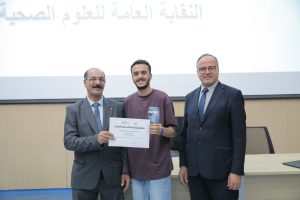
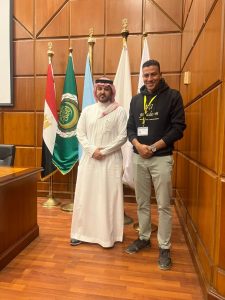
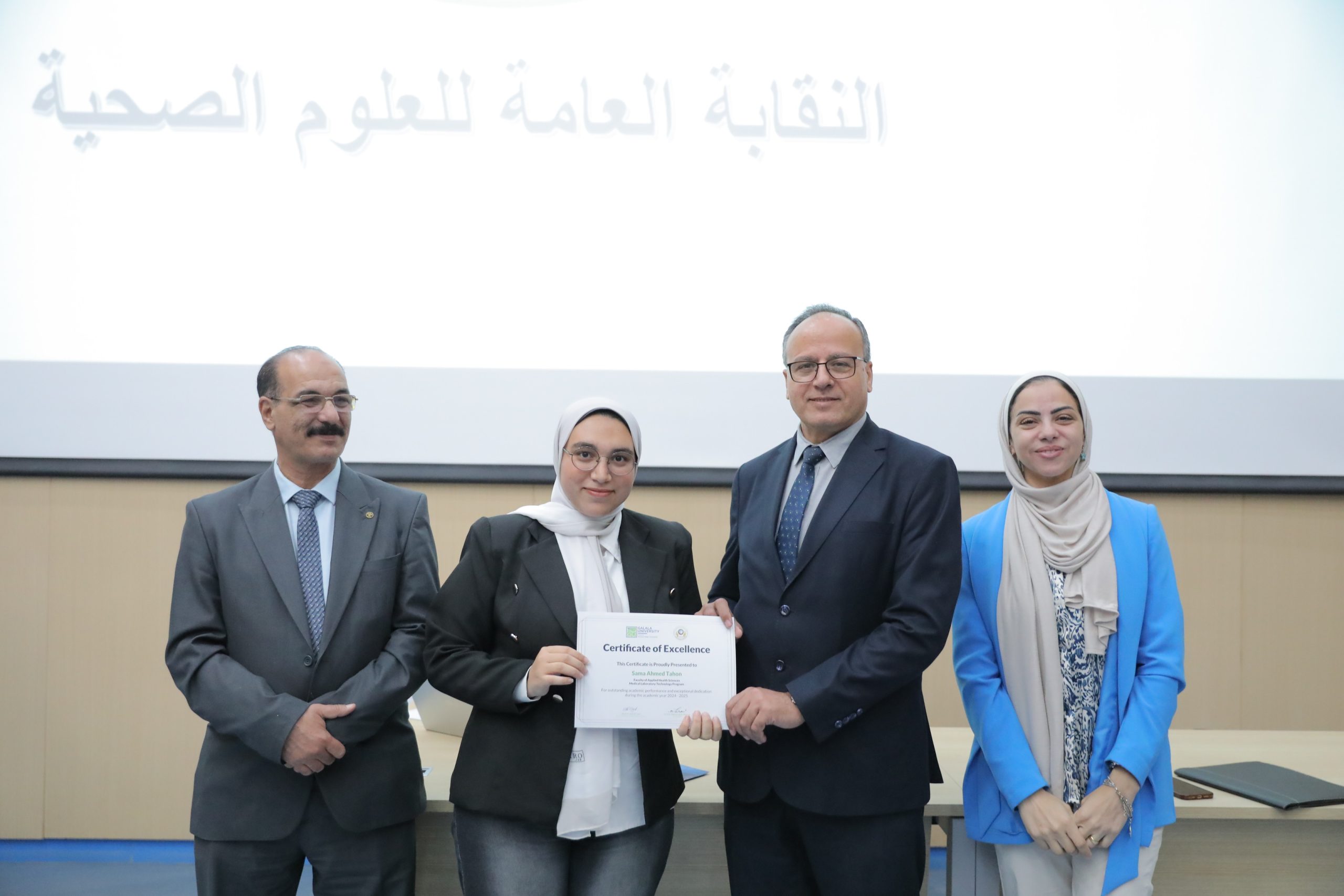
Honoring the profession’s role in Egypt’s healthcare ecosystem, the Faculty welcomed Mr. Ahmed El-Debeiky, Head of the Syndicate of Applied Health Sciences Professionals. His remarks underscored alignment with national professional standards and the importance of continuous development—encouraging students to view quality, safety, and ethics as daily habits rather than occasional checks. The visit also opened channels for future collaboration on internships, practice guidelines, and professional workshops.
The week’s activities reflect Galala University’s approach to applied health education: give students authentic responsibility under supervision, measure competencies, and tie every task to public benefit. By converting a global observance into a campus-wide learning experience, the Faculty strengthened the bridge between theory and practice while offering a tangible service to the GU community.
In SDG terms, the outcomes advance sdg3 (Good Health and Well-being) through better screening literacy and safer diagnostic practice; sdg4 (Quality Education) via competency-based, hands-on learning; sdg10 (Reduced Inequalities) by providing free on-campus checks to staff; and sdg17 (Partnerships for the Goals) through engagement with the professional syndicate and external experts.