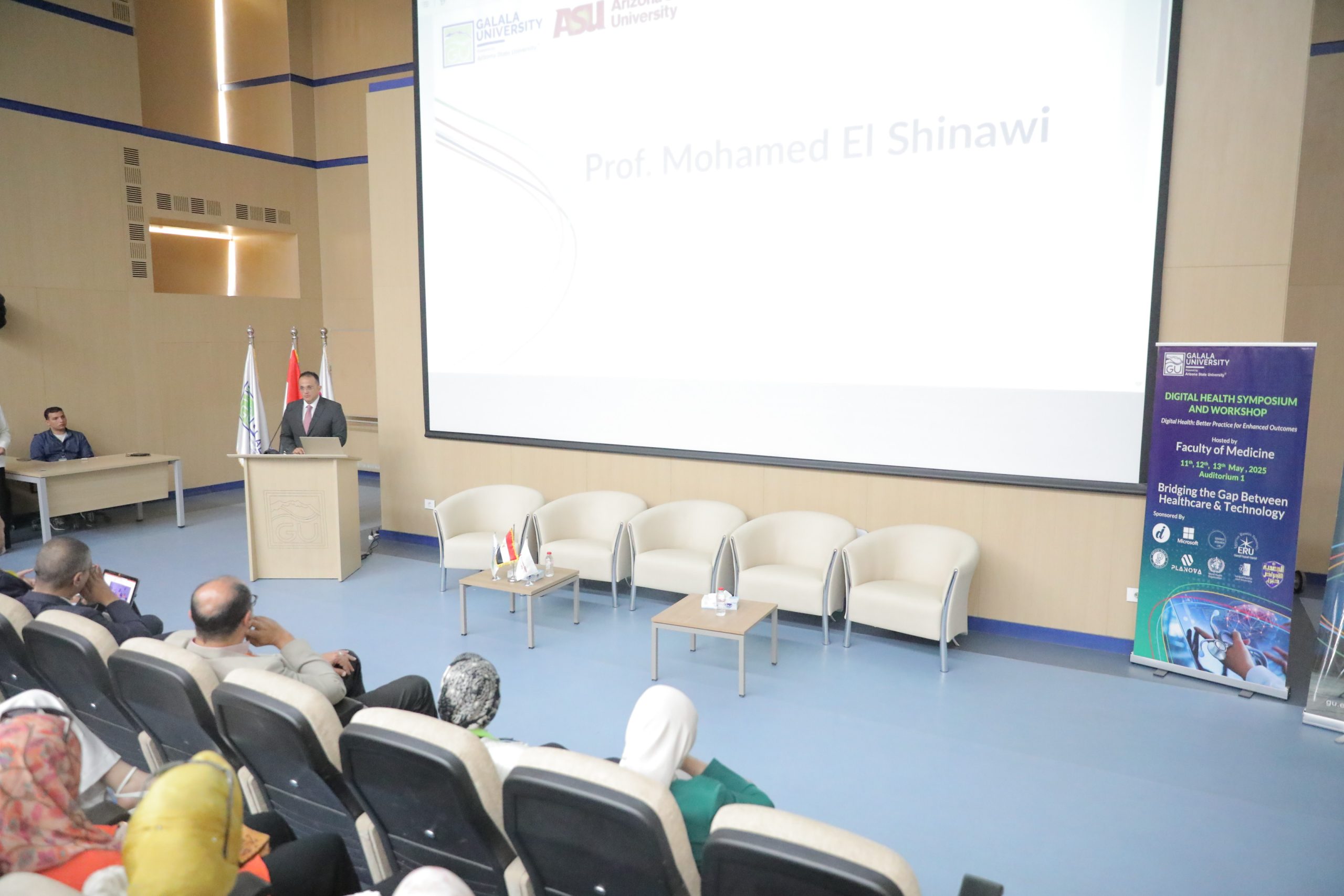
Workshop on the Impact of Digital Technology on Healthcare Systems
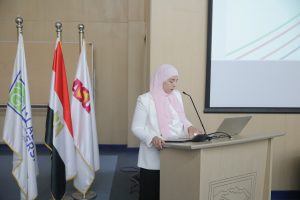
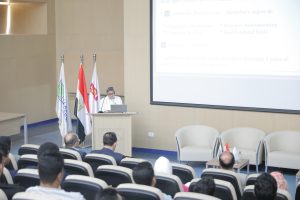
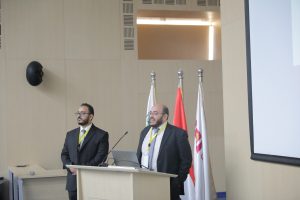
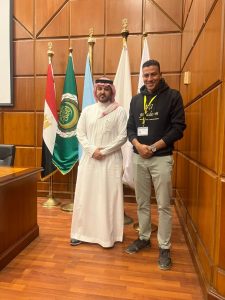
How does a hospital change when data, sensors, and algorithms become part of everyday care? Over three days at Auditorium 1, Galala University gathered clinicians, engineers, and students to answer that question head-on. “The Impact of Digital Technology on Healthcare Systems” moved beyond buzzwords to show what AI, big data analytics, and IoT look like in real workflows—triage, labs, imaging, chronic-care follow-up, and medical education.
What the workshop tackled (by track):
-
AI in clinical decision-support: building and validating models; bias mitigation; when to keep a human-in-the-loop; audit trails for safety.
-
Data to action: interoperable records, FHIR basics, data lakes vs. marts, and dashboards for infection control and bed management.
-
IoT & remote monitoring: device selection, signal quality, alert fatigue, and integrating wearables into patient pathways.
-
Education & research integration: capstone templates that pair CS/engineering with health faculties; IRB/ethics; reproducible pipelines.
Hands-on demos walked participants from dataset curation to model evaluation and clinical interpretation, while case mini-labs showed how sensor data (heart rate variability, glucose monitors) can trigger timely interventions. Breakout groups drafted “clinic-ready” checklists—covering consent, cybersecurity, uptime SLAs, and staff training—so pilots can move responsibly from lab to ward.
Faculty leads framed the workshop inside GU’s broader direction under Prof. Dr. Mohamed El-Shinawi: build talent pipelines that serve Egypt’s health sector, invest in interoperable labs, and translate research into measurable improvements in access, quality, and cost. Industry and hospital partners weighed in on what makes collaborations stick—clear data-sharing agreements, defined clinical owners, and shared metrics.
Takeaways participants left with:
-
A starter kit for digital-health pilots (governance templates, evaluation KPIs, rollout stages).
-
Teaching blocks that embed AI/IoT thinking into existing courses, not just electives.
-
A shortlist of joint research ideas (early sepsis signals, bed-flow optimization, radiology triage, home-monitoring for chronic disease).