Graduation Project Presentations – Faculty of Administrative Sciences (Economics and Political Science Program)
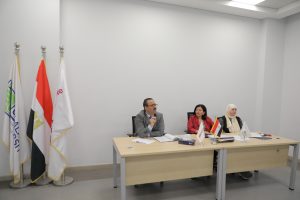
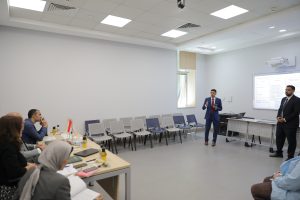
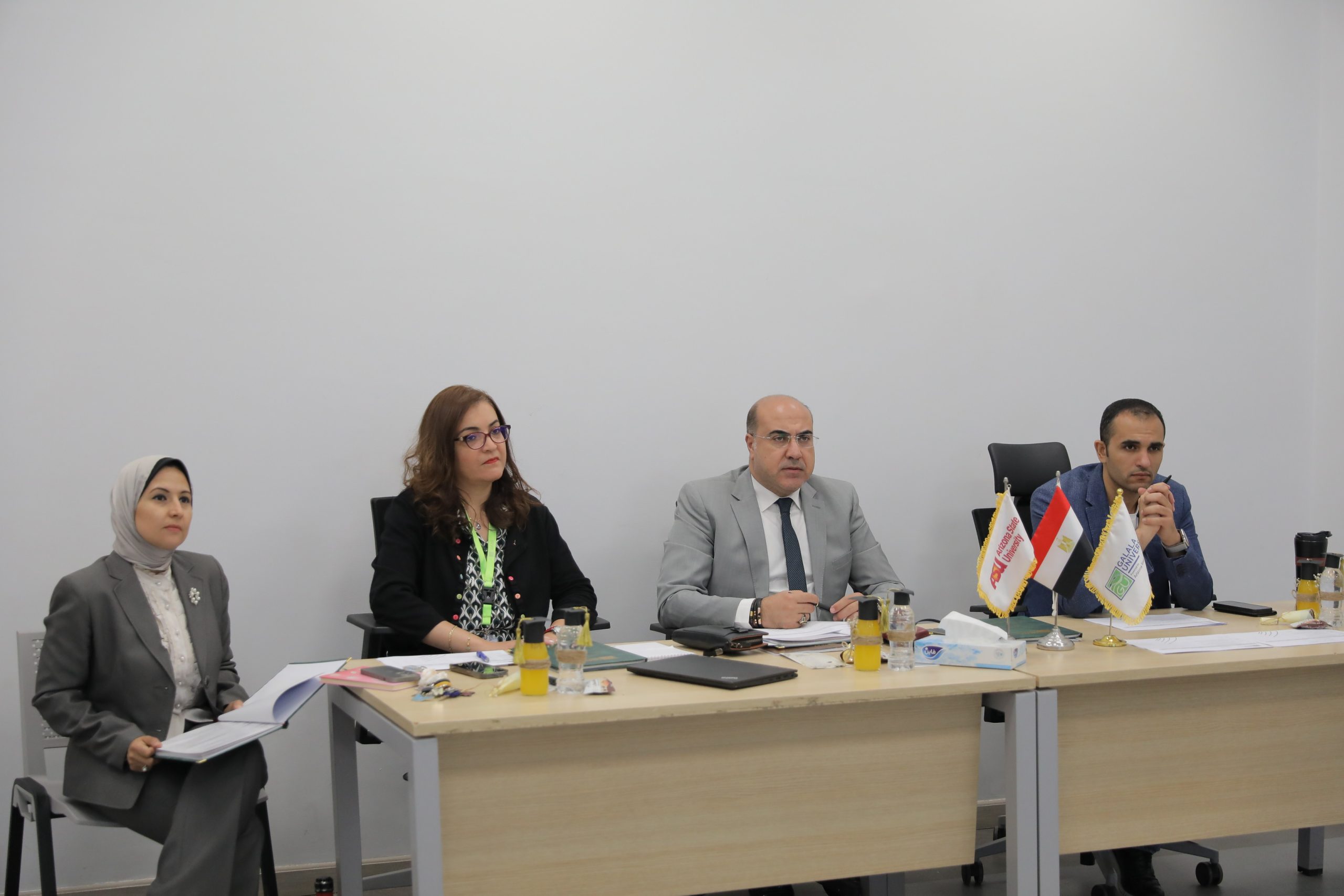
Policy questions met real evidence today. Students from the Economics and Political Science Program presented their graduation projects to an audience of academics, practitioners, and public-sector partners—demonstrating how GU training translates into analysis that decision-makers can actually use.
In the room
-
Dr. Gamal Helmy — Assistant Minister of Transport and International Cooperation for Sustainable Development Plan Follow-up
-
Dr. Ibrahim Mostafa Ibrahim — Board Member, Canal Electricity Distribution Company; Senior Consultant, Boston Consulting Group; Faculty Board Member
How the day was structured
-
Research spotlights (10–12 min each): concise summaries of the policy problem, data sources, method selection, and implications.
-
Methods under the microscope: students defended choices ranging from cost–benefit and input–output logic to comparative institutional analysis, time-series trends, and stakeholder mapping.
-
Feedback for action: guests probed feasibility—data availability in Egyptian contexts, regulatory pathways, and who would need to implement any recommendation first.
Recurring themes across projects
-
Growth and jobs: links between SME formalization and regional employment; how logistics efficiency affects input prices and export competitiveness.
-
Public services & infrastructure: governance levers that raise utility performance; tariff design and social protection to keep access equitable.
-
Regulatory quality & trust: transparency, anti-corruption safeguards, and citizen feedback loops that improve service delivery.
-
Regional development: aligning governorate-level priorities with national Vision 2030 targets and financing tools.
A consistent throughline was evidence before opinion. Students were expected to show data lineage, acknowledge limits, and translate findings into a short list of policy options—what to prioritize, what it costs, and how to measure progress. That discipline reflects Galala University’s approach under Prof. Dr. Mohamed El-Shinawi: experiential, policy-oriented education with clear standards for rigor and relevance.
Why this matters
-
It bridges classroom and statecraft—students learn to write and present for audiences beyond academia.
-
It builds employability—graduates leave with a portfolio of work that speaks to ministries, consultancies, and development partners.
-
It strengthens partnerships—dialogue with sector leaders informs curricula and future joint projects.