
University Students’ Training Camp at Galala University
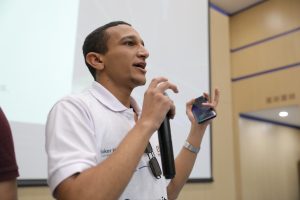
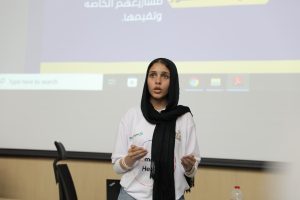
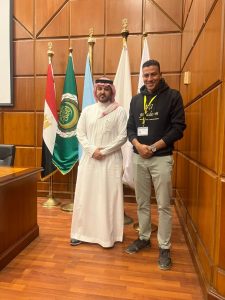
Four days, fifty students, one campus that turned into a living classroom. In partnership with Etijah Foundation trainers, Galala University hosted a residential training camp that mixed leadership labs, team challenges, and reflective practice—bringing together 40 students from Egyptian universities and 10 GU students to learn, build, and lead side by side.
How the camp worked (inside the agenda, not just around it)
-
Morning skill labs: communication under pressure, stakeholder mapping, problem-framing, and pitching ideas with clarity (and a clock).
-
Afternoon studios: design-sprint style teamwork on real community briefs—youth employability, campus sustainability, and digital well-being—moving from insight → prototype → field feedback.
-
Evening reflection: peer coaching circles to translate lessons into personal action plans: “What will I do next week, with whom, and how will I measure it?”
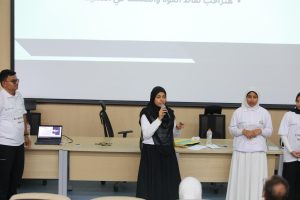
Trainers from Etijah emphasized learning by doing. Icebreakers turned into facilitation drills; case studies became negotiation role-plays; feedback sessions taught students to disagree constructively and document decisions. By Day 3, mixed-university teams were presenting small pilots with roles, milestones, and simple KPIs that could be run when they returned home.
“Leadership is a habit, not a badge,” one trainer told the cohort. “You build it in reps—small, consistent actions that others can see and trust.”
What participants took away
-
A practical toolkit: stakeholder maps, problem trees, SMART KPIs, and one-page project charters ready for campus clubs or community partners.
-
Stronger soft skills: facilitation, conflict resolution, and inclusive teamwork across different academic and cultural backgrounds.
-
A network: peers from multiple universities plus GU mentors who will track progress and help unblock early implementation hurdles.
The camp aligns with Galala University’s approach to experiential education: set high standards, provide coaching, and anchor every activity to real outcomes. It also advances the university’s youth-empowerment track—linking personal development with employability and civic contribution, not as parallel goals but as one trajectory.