
Erasmus Workshop with Ms. Valentina Korbar – Faculty of Arts & Design
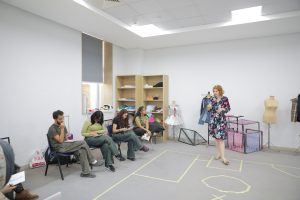
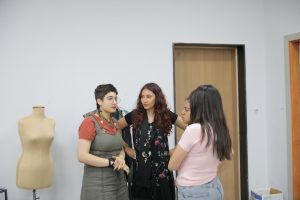
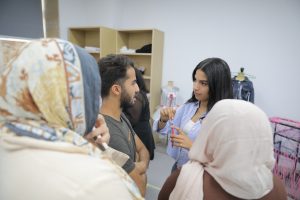
Sketchbooks open, prototypes on the tables, and a studio buzzing with critique—Galala University’s Faculty of Arts & Design hosted Ms. Valentina Korbar, GU’s Slovenian partner in the Erasmus+ project, for a two-day immersion in European design practice. The workshop moved students from concept to craft, blending design thinking with sustainable making and cross-cultural collaboration.
Inside the studio
-
Intercultural warm-ups: quick exercises in visual storytelling to surface how culture shapes color, form, and narrative.
-
Design methods, hands-on: sprint cycles from user insight → ideation → low-fidelity prototypes → peer testing → refinement.
-
Sustainable art practice: material audits, upcycling prompts, and lifecycle thinking—choosing safer pigments, reusing substrates, and documenting waste-light processes.
-
Critique with intent: structured feedback sessions that trained students to articulate choices (Why this material? Why this joinery? What fails gracefully?).
Why it matters (student takeaways)
-
A reusable method kit for studio and client briefs: problem framing, stakeholder mapping, and testable concepts.
-
Confidence working in mixed teams across cultures and disciplines.
-
A clearer line between creative work and community impact—from public-space interventions to low-waste exhibit design.
In guided discussions, Ms. Korbar walked through European cases where design upgraded everyday life—wayfinding that reduces stress in transit hubs, pop-up cultural spaces that activate neighborhoods, and repair-centered studios that cut consumption without sacrificing aesthetics. Faculty tied those examples back to Alexandria–Suez contexts, encouraging students to prototype for Egyptian users and environments.
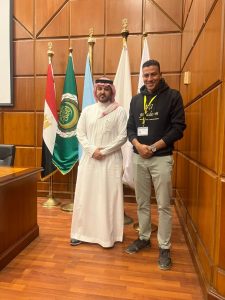
The visit reflects GU’s wider commitment to global engagement and experiential learning: bringing international partners into the studio, letting students test ideas in real time, and documenting process as rigorously as outcomes. It also advances a sustainability lens in art and design—treating material choices and fabrication as ethical decisions, not afterthoughts.